

2026 Keynote Speakers
(Speakers will be updated as details come in)
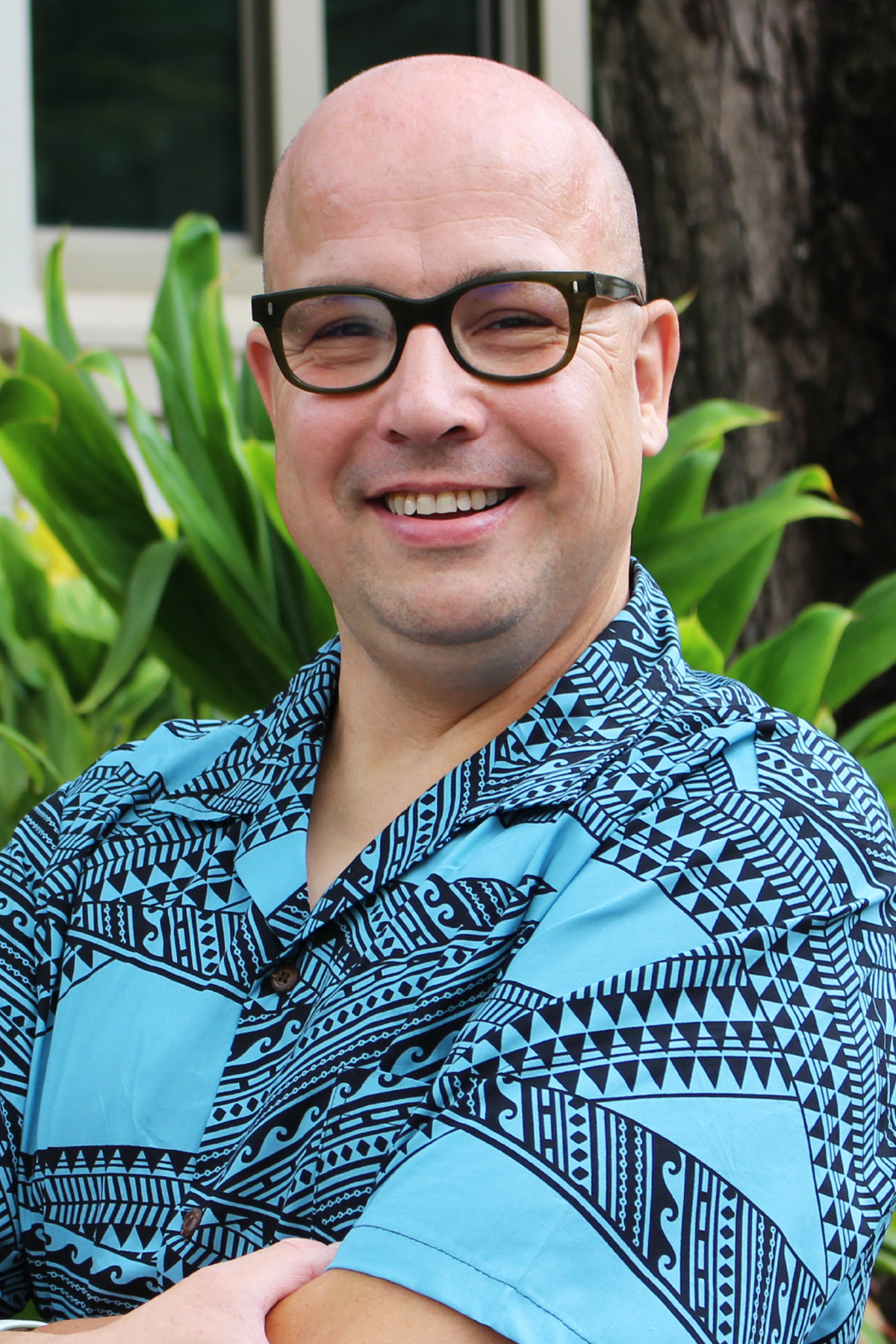
Jordan P. Lewis, PhD, MSW, Director, Center on Aging Thompson School of Social Work & Public Health University of Hawaii at Manoa
Generativity and Eldership: Redefining Successful Aging through Indigenous Perspectives
Traditional Western models of successful aging often prioritize biomedical markers, such as the absence of disease and disability, which can overlook the unique cultural strengths and resilience of Indigenous populations. This presentation summarizes over 18 years of community-engaged research involving hundreds of qualitative interviews with Elders across diverse rural and urban regions of Alaska to introduce a culturally grounded framework for aging termed “Eldership,” which is built upon four to six core pillars: emotional well-being (centered on optimism and humor), spirituality, physical health (linked to subsistence activities), and active community engagement. Central to this model is Indigenous Cultural Generativity, defined as the active process of passing down traditional values, subsistence practices, cultural beliefs, and Indigenous languages to the “Seventh Generation.” The research highlights that engaging in these generative acts serves as a powerful protective factor for health. By shifting the focus from a disease-based model to one of cultural leadership and knowledge sharing, this research offers a new paradigm for culturally responsive health interventions and public health policies that empower Alaska Native Elders to continue “aging in a good way.”
Biography
Jordan Lewis, PhD is the New Director of the Center on Aging at the University of Hawaii. Dr. Lewis brings extensive expertise to his new role. He previously worked as the Director of Research for the Center for One Health Research and as a Research Professor at the University of Alaska Fairbanks, where he made significant strides in aging research. He is Aleut and Sugpiaq and his family is from the Naknek Native Village in Southwest AK and Cannon Beach, Oregon. He holds a Ph.D. in Community Psychology from the University of Alaska Fairbanks (UAF), an MSW from Washington University in St. Louis, and a BSW from UAF, and he is a certified professional gerontologist. Trained as a cross-cultural community psychologist and gerontologist, Dr. Lewis has worked with American Indian and Alaska Native (AI/AN) communities to identify characteristics that enable Alaska Native Elders to age successfully, or age in a good way, and become role models for their families and communities. Using the lessons and experiences of AIAN Elders, Dr. Lewis’ research develops generative-based approaches to improve the health of all generations.
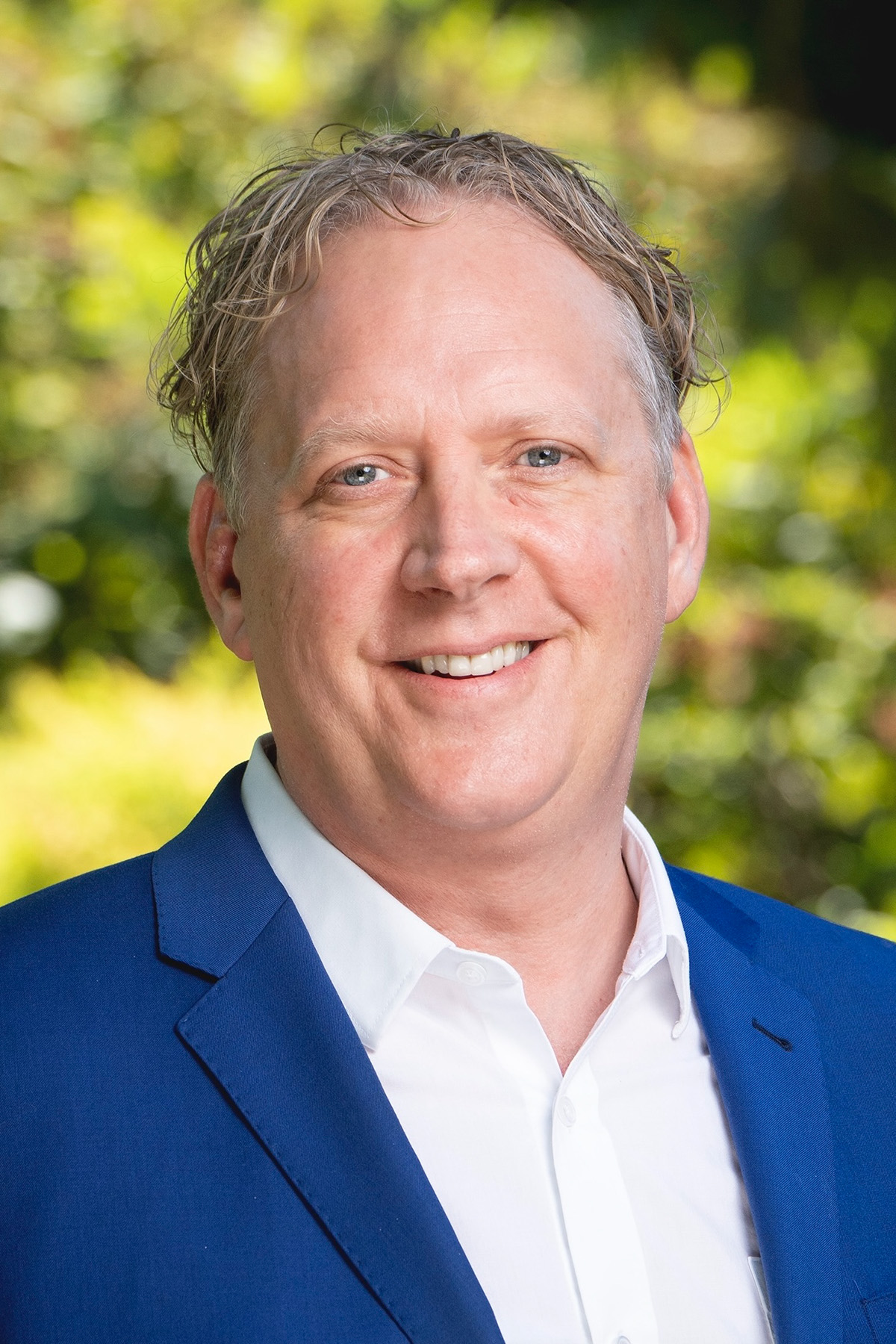
Robert G. Winningham, PhD, Professor of Psychological Sciences and Gerontology, Western Oregon University
Train Your Brain: An Evidenced Based and Holistic Approaches to Optimal Brain Health
There is mounting evidence that lifestyle factors, including staying mentally and physically active, can maximize our memory ability and even delay memory challenges. Dr. Winningham will discuss the latest recent research on many aspects of brain health including cognitive stimulation, physical activity, social fitness, nutrition, sleep, hearing deficits and much more. The take home message is optimistic and motivating: There are many practical things that all of us can do to maximize our memory abilities and quality of life.
Biography
Dr. Rob Winningham received his Ph.D. in neuroscience from Baylor University. He joined the faculty at Western Oregon University in 2000 where he serves as a Professor of both the Psychological Sciences and Gerontology Departments. He helped create the Gerontology Department approximately 15 years ago. And, he has served as College Dean, Provost and Vice President for Academic Affairs at Western Oregon University. His scholarship and publications have generally focused on maximizing quality of life, cognitive stimulation, physical exercise, intergenerational programs, and social engagement throughout the lifespan. In addition to publishing many peer-reviewed scientific articles, Dr. Winningham has been invited to give over 2000 presentations at various conferences, workshops and community settings. He has helped develop a number of popular products for senior living and healthcare, including LinkedSenior, SMARTfit, and Activity Connection. His book, Train Your Brain: How to Maximize Memory Ability in Older Adulthood was published by Routledge Publishing and his latest book is entitled Cranium Crunches, both of which can be found on Amazon.
2026 Breakout Speakers
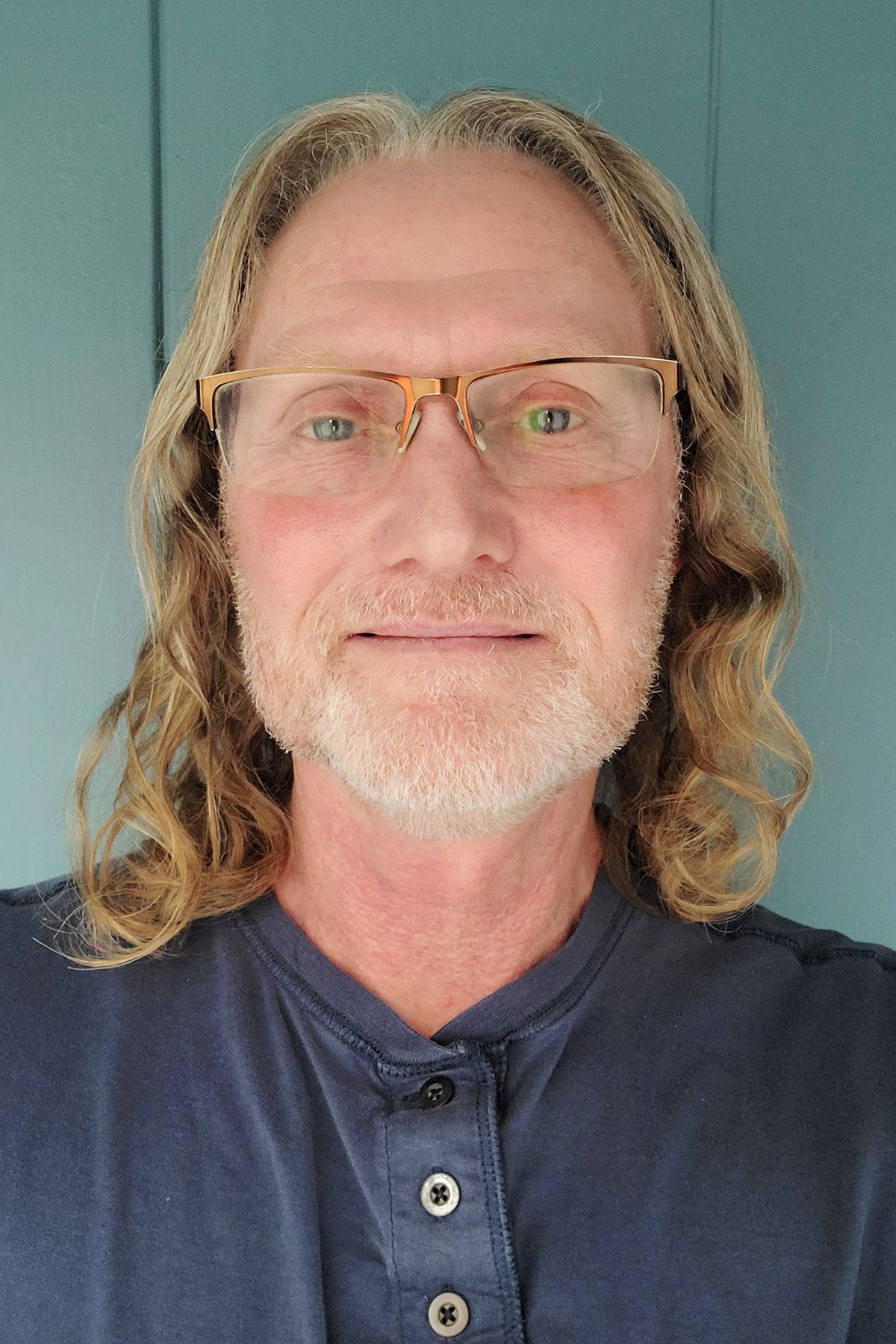
Peter Blume, Operations and Policy Analyst, Adult Protective Services
Oregon Adult Protective Services (APS)
In 2025, Oregon Adult Protective Services (APS) received 59,452 reports with concerns about possible abuse of older adults or adults with physical disabilities. Increasing from 2024 by almost 4,000 more reports. Although not all reports are screened in for investigation, data shows that abuse of Oregon’s older adults and adults with physical disabilities is pervasive.
In this highly interactive session, we will discuss how APS responds to reports of abuse in both licensed long term care facilities and the community at large, provide an overview of the APS investigative process, describe how APS offers protective services and referrals, and provide information on when and how anyone can (and should) report suspected or witnessed abuse. Participants will learn how a report gets assigned for investigation, why some reports are screened out and not investigated, and what types of abuse are most prevalent. We’ll also discuss misperceptions and confusion about what APS can and can’t do when serving Oregon’s vulnerable populations and offer opportunities for participants to share feedback about how APS can best collaborate with and serve various communities throughout the state.
Biography
Peter Blume has worked for Adult Protective Services (APS) for eight years and is currently an Operations and Policy Analyst with the Policy Team. He worked on the American Rescue Plan Act reviewing Oregon’s APS statutes for accessibility challenges and clarity. Peter is leading an Outreach and Engagement workgroup identifying barriers to easy collaboration between APS, partners and community members. Before that he was with Oregon’s Early Learning Division for 12 years as a Compliance Specialist and Project Manager facilitating projects for Equity training and awareness within the Division and a comprehensive review and revision of the Early Learning Division’s Administrative Rules for child-care licensing. He graduated from Oregon State University in 1986 with a degree in Psychology and Western Oregon University in 1988 with a degree in Natural Science. Peter lives in Keizer with his wife Becki, their dog Stevie Nicks, two cats and has two adult daughters.
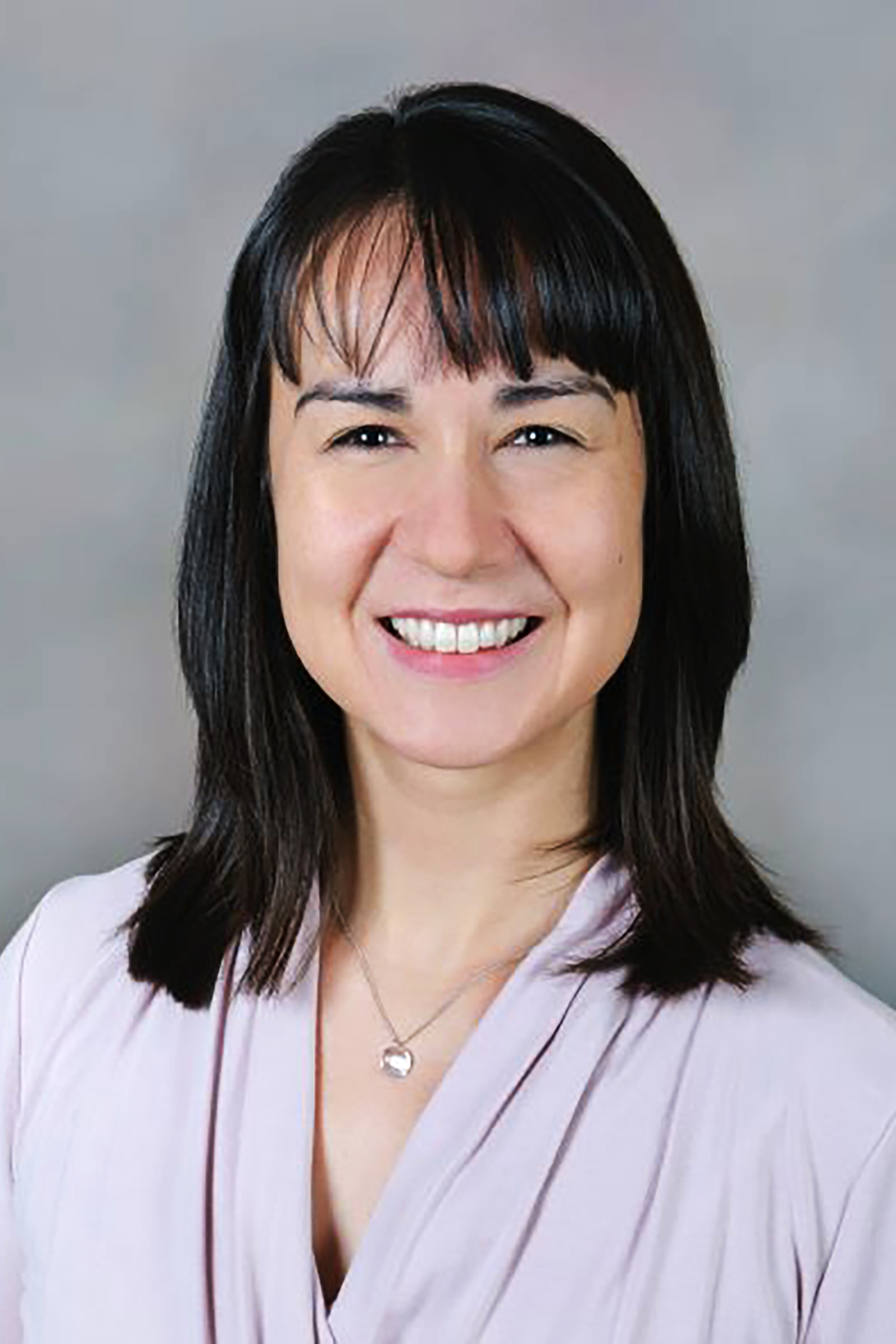
Laura Byerly, MD, Project Director, Oregon Geriatrics Workforce Enhancement Program
Hearing Loss and its Effect on Healthy Aging
Hearing loss is a very common, yet under-diagnosed, concern facing older adults and their caregivers. In this session, Dr. Byerly will discuss the prevalence of hearing loss, its common and less common risk factors and causes, and the reasons why hearing loss can impact brain health and well-being. She will outline the evidence for intervening on hearing loss and the impact that improved hearing can have on chronic conditions. She will review pearls about hearing assistive devices. Her goal is for attendees to feel empowered to speak with their clients, patients, loved ones, and providers about hearing loss and available intervention options.
Biography
Laura K. Byerly is a clinician educator and geriatrician at Oregon Health & Science University (OHSU) in the Division of General Internal Medicine & Geriatrics. Dr. Byerly received her medical degree from OHSU, completed internal medicine residency at Massachusetts General Hospital, and completed geriatric medicine and health professions education fellowships at the University of California, San Francisco and San Francisco VA Medical Center. She cares for older adults in OHSU’s Internal Medicine Clinic and affiliated post-acute and long-term care facilities. Dr. Byerly focuses on age-friendly education for health professions trainees and primary care teams, particularly in rural and underserved settings. As the program director for the HRSA-supported Oregon Geriatrics Workforce Enhancement Program (GWEP), she drives initiatives to train and improve Oregon’s workforce for holistic, interprofessional care in tribal, underserved, and rural communities.
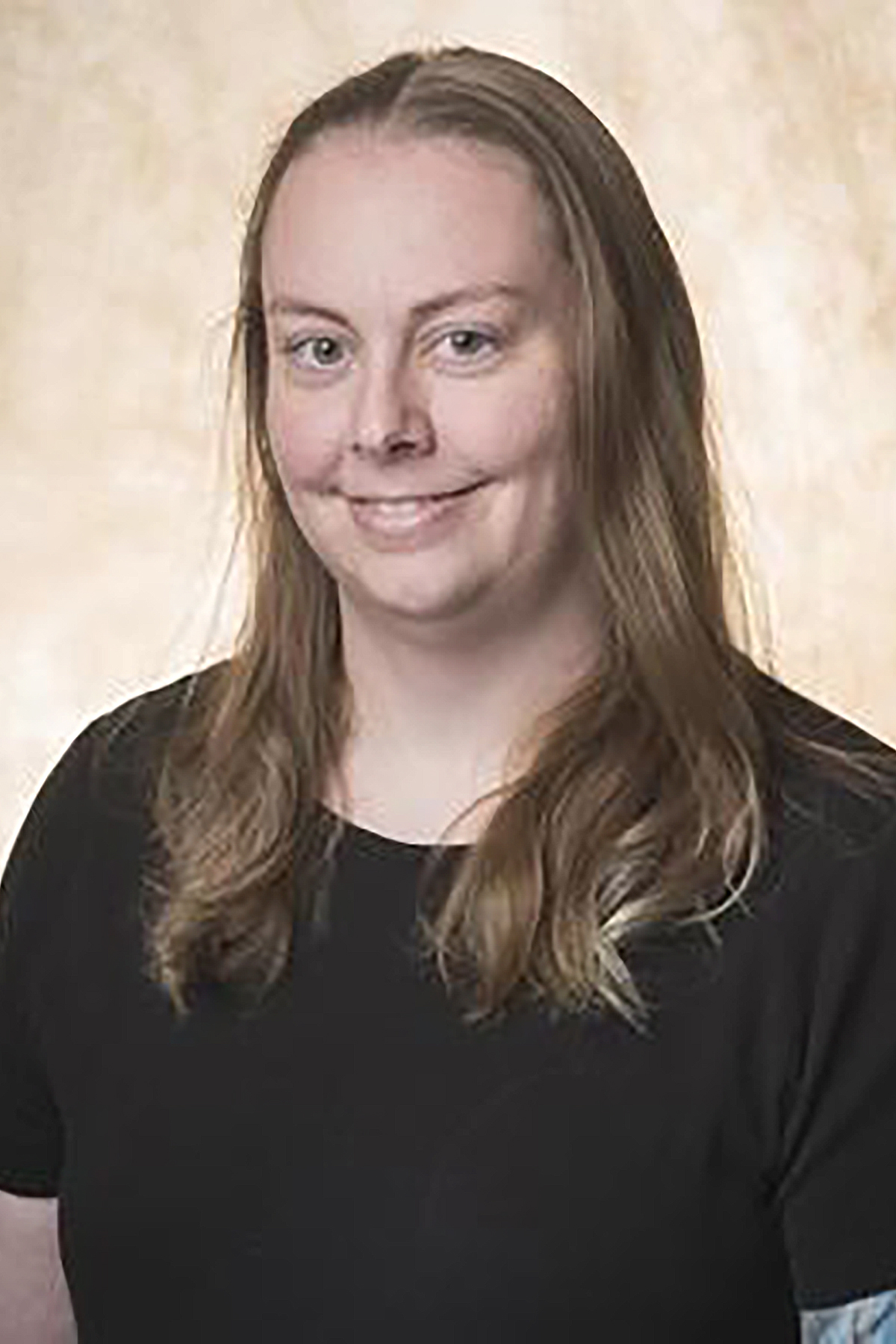
Shannon Caplan, PhD, Assistant Professor, Oregon State University Extension
Promoting Physical Activity Equity: Expanding Access for Older Oregonians
The Extension Family and Community Health (FCH) Physical Activity and Active Living (PAAL) program provides a suite of community-based physical activity programs tailored for older adults. We previously learned that PAAL programs attract participants who are > 90% white, educated, food secure, women. We aimed to assess the barriers to engaging in physical activity experienced by a broader sample of adults 60+ to inform strategies to reduce these barriers, improve programs, and attract a more diverse audience of participants.
Biography
Shannon Caplan is an Assistant Professor (Practice) with Oregon State University Extension, coordinating the Rural Communities Explorer project. Shannon’s expertise is in spaces and places and how qualitative and quantitative data can help tell their stories. In collaboration with partners, she releases an annual county profile report, Oregon by the Numbers, with an upcoming ninth edition releasing later this year. She holds a PhD in applied anthropology with a rural studies minor from Oregon State University and a graduate certificate in applied social demography from Portland State University.
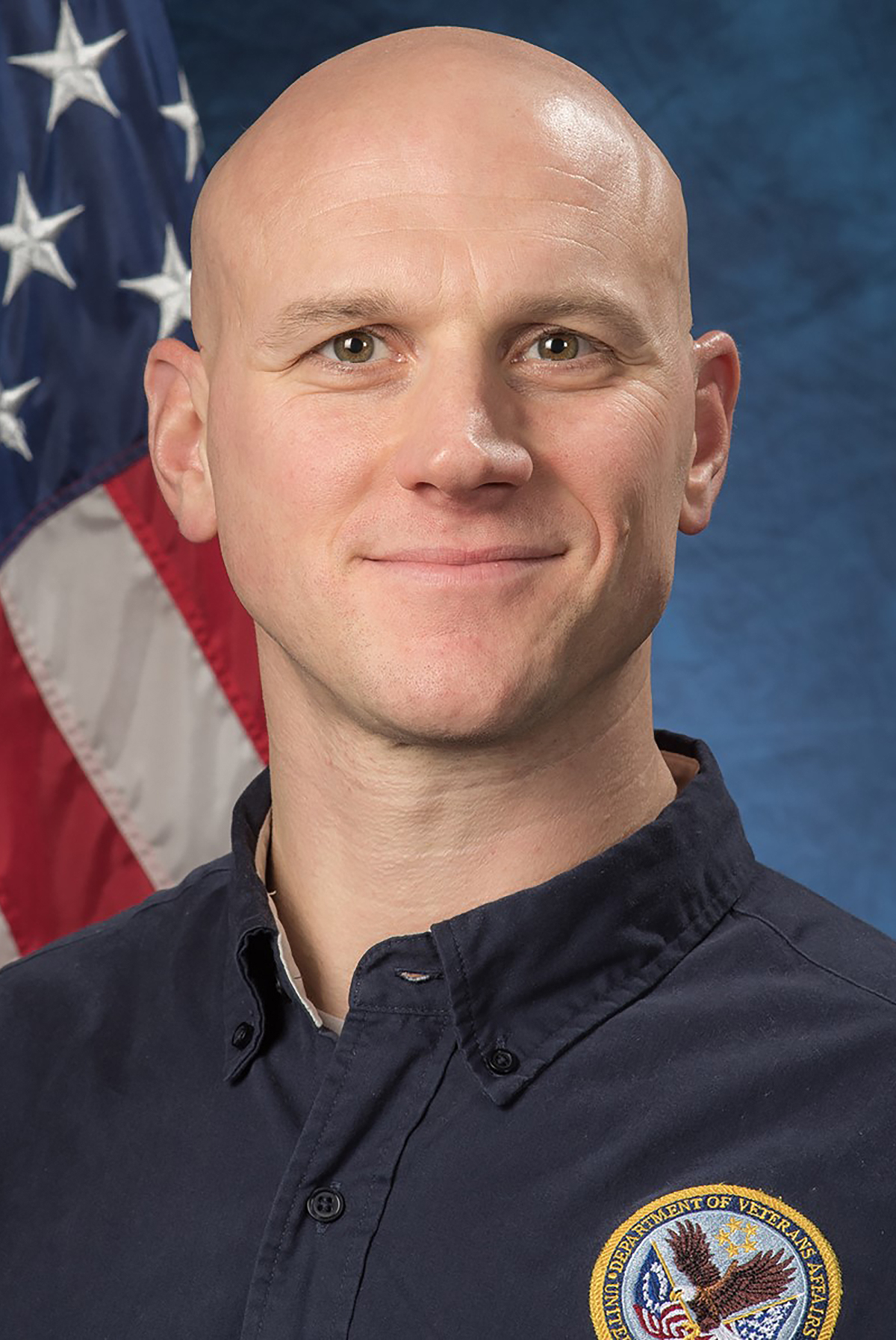
Dain P. Cason, DC, MS, DACBSP® Chief, Whole Health, Chiropractor, VA Portland Health Care System (648),U.S. Department of Veterans Affairs
VA Whole Health Care
The VA’s Whole Health System—offers an evidence based, person centered model that is transforming care for aging Veterans by emphasizing what matters most to them. This session will demonstrate how Whole Health principles are being applied across the VA to help Veterans reconnect with their “why,” engage more deeply in their care, and restore balance across the Whole Health Wheel, including movement, nutrition, sleep, relationships, and personal meaning. Attendees will learn how teams integrate Whole Health principles with traditional care through integrative therapies and interdisciplinary coordination. We will review the benefits for both Veterans and the system, such as reduced medication burden, improved chronic disease management, enhanced self efficacy, and increased participation in meaningful activities. Participants will leave with practical strategies for supporting aging Veterans through purpose driven, lifestyle focused care and for partnering effectively with the VA to enhance wellbeing across the lifespan.
Biography
Dain Cason is a driven healthcare leader and combat veteran of Operation Iraqi Freedom who has served as the Whole Health Clinical Director at the VA Portland Health Care System since 2024, overseeing systemwide program outcomes, fiscal stewardship, personnel management, and the integration of Whole Health principles. His background includes over a decade of structured post‑secondary education and advanced clinical training, culminating in a Doctor of Chiropractic, a Master of Science in Exercise and Sports Science, dual bachelor’s degrees, and two additional years of specialty training towards his diplomate in Sports Medicine. Alongside his clinical and administrative expertise, Dain continues to serve in the United States Marine Corps as a Chief Warrant Officer and Executive Officer, leading and mentoring more than 120 Marines. Known for his energetic, organized, and solution‑focused leadership, he excels in multidisciplinary care coordination, team development, and patient‑centered program improvement. Fluent in English and Spanish, he brings specialized skills in sports medicine, strength and conditioning, and musculoskeletal health. Dain is a committed family man, supported by his wife, their two beautiful children, and a beloved goldendoodle, and remains dedicated to service, personal growth, and empowering others across clinical, military, and community settings.
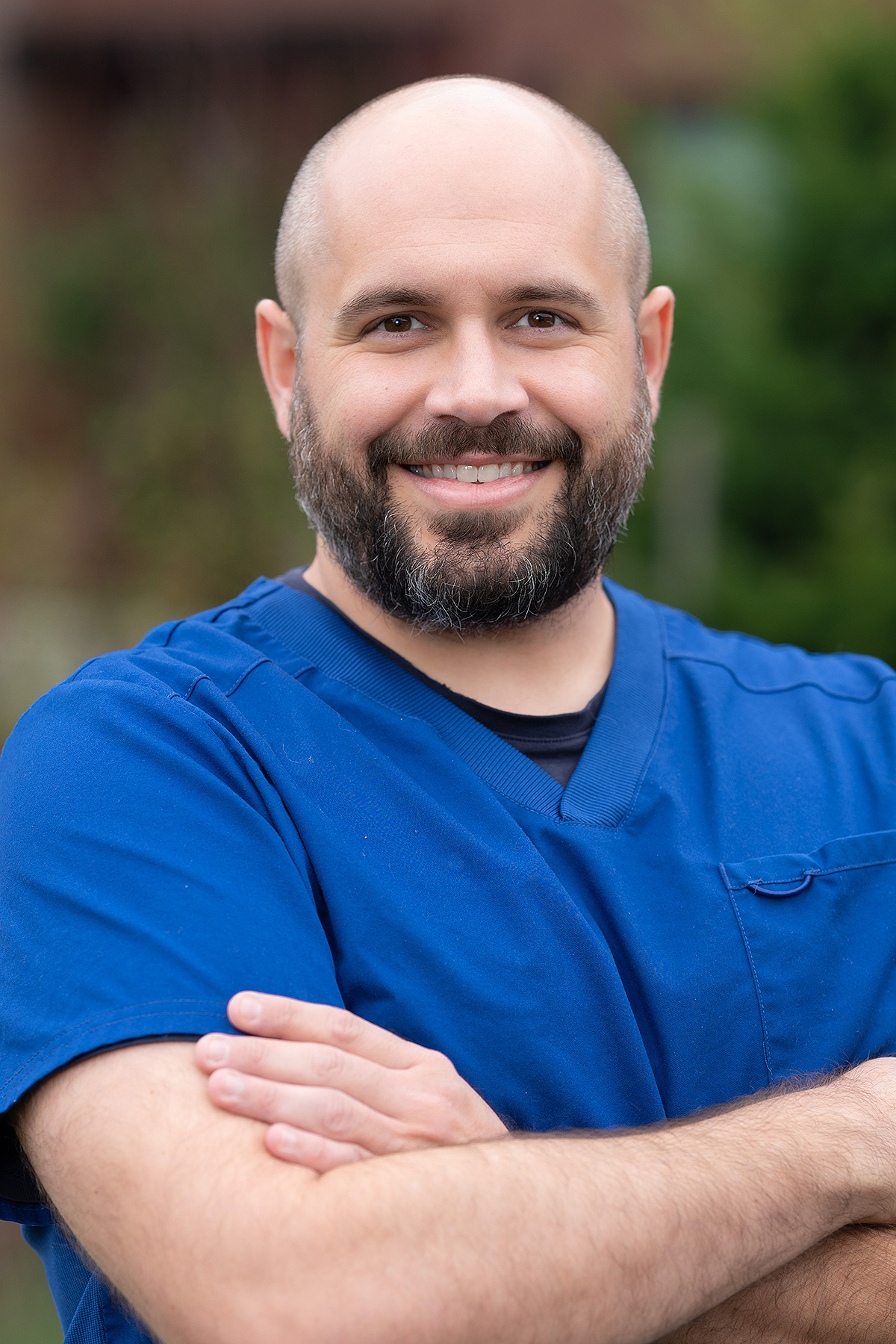
Ben Fallah RN, BSN CPAFH, Director of Nursing at Mary's Woods
Implementing the Age-Friendly Framework in Long-Term Care
As our population ages, our healthcare systems are increasingly tasked with meeting the specific needs of the older adult population. Developed by the Institute for Healthcare Improvement and the American Hospital Association, Age-Friendly Health System Certification began as a framework to support hospitals in adapting to this growing need, with the goal of using evidence-based practices while respecting the humanity and individuality of older adults. This work has now spread to include outpatient clinics and skilled nursing facilities. This presentation outlines the journey to becoming Age Friendly in the long-term care environment and offers practical strategies to make effective change.
Biography
Ben Fallah RN, BSN CPAFH graduated from OHSU School of Nursing with honors in Gerontological Nursing. Ben is the Director of Nursing at Mary’s Woods. He has led in skilled nursing, long-term care, memory care, and assisted living communities. Ben is passionate about advancing high-quality, person-centered care for older adults. Ben’s leadership style is grounded in connection and collaboration, shaped by his earlier work as an elementary school teacher and academic success coach.
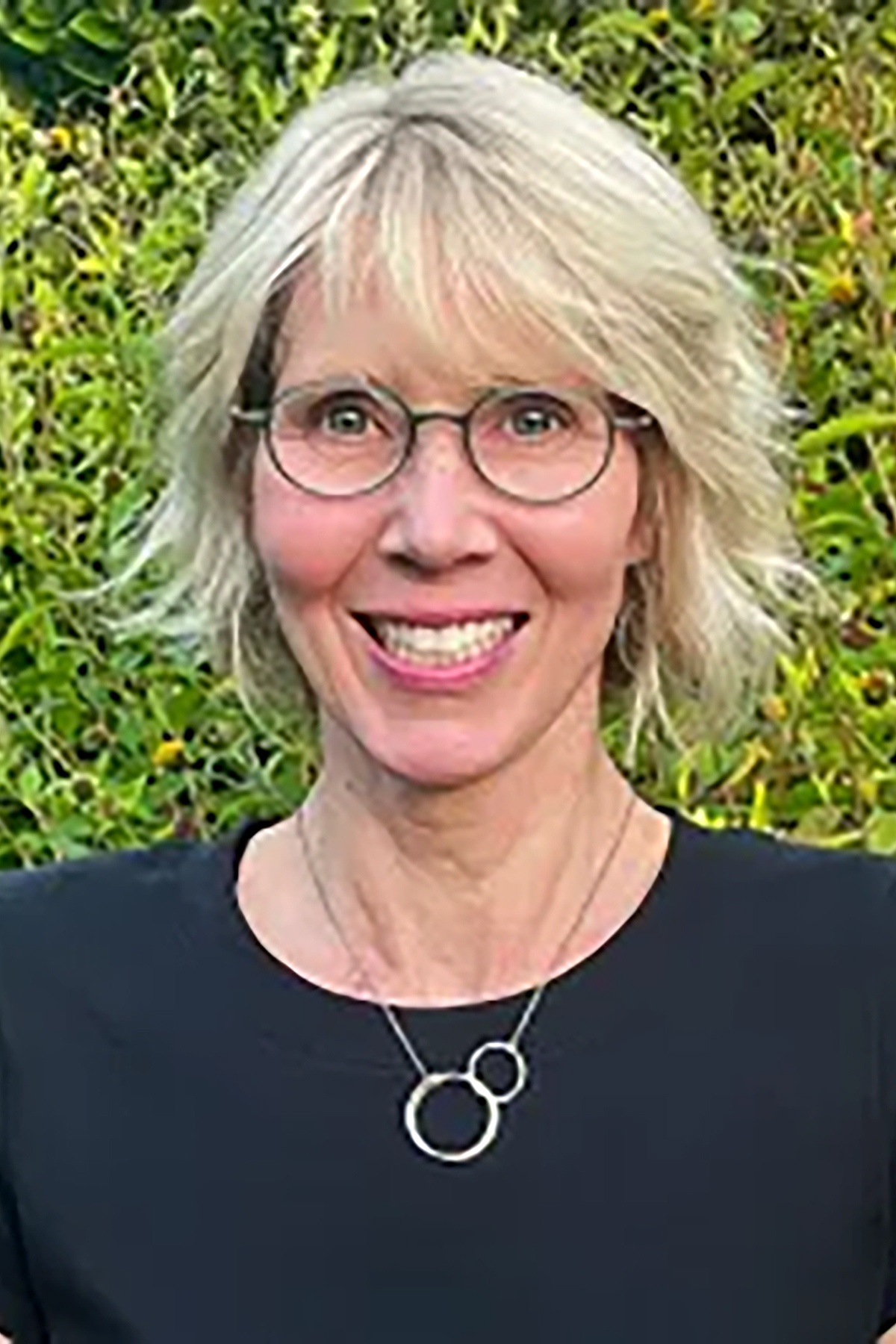
Kathy Gunter, PhD, Professor, College of Health (COH), Oregon State University (OSU)
Promoting Physical Activity Equity: Expanding Access for Older Oregonians
The Extension Family and Community Health (FCH) Physical Activity and Active Living (PAAL) program provides a suite of community-based physical activity programs tailored for older adults. We previously learned that PAAL programs attract participants who are > 90% white, educated, food secure, women. We aimed to assess the barriers to engaging in physical activity experienced by a broader sample of adults 60+ to inform strategies to reduce these barriers, improve programs, and attract a more diverse audience of participants.
Biography
Kathy Gunter is a Professor in Extension Family and Community Health (FCH) and the School of Exercise, Sport, and Health Sciences in the College of Health (COH) at Oregon State University (OSU). Her work emphasizes the translation of research to practice with the goal of increasing physical activity behaviors and improving health outcomes across the lifespan. She does this by working with stakeholders to develop and adapt innovative programs, policies, systems, and environments. Dr. Gunter’s work stimulates community engagement and produces evidence-based solutions to make it easier for people to engage in health promoting behaviors.
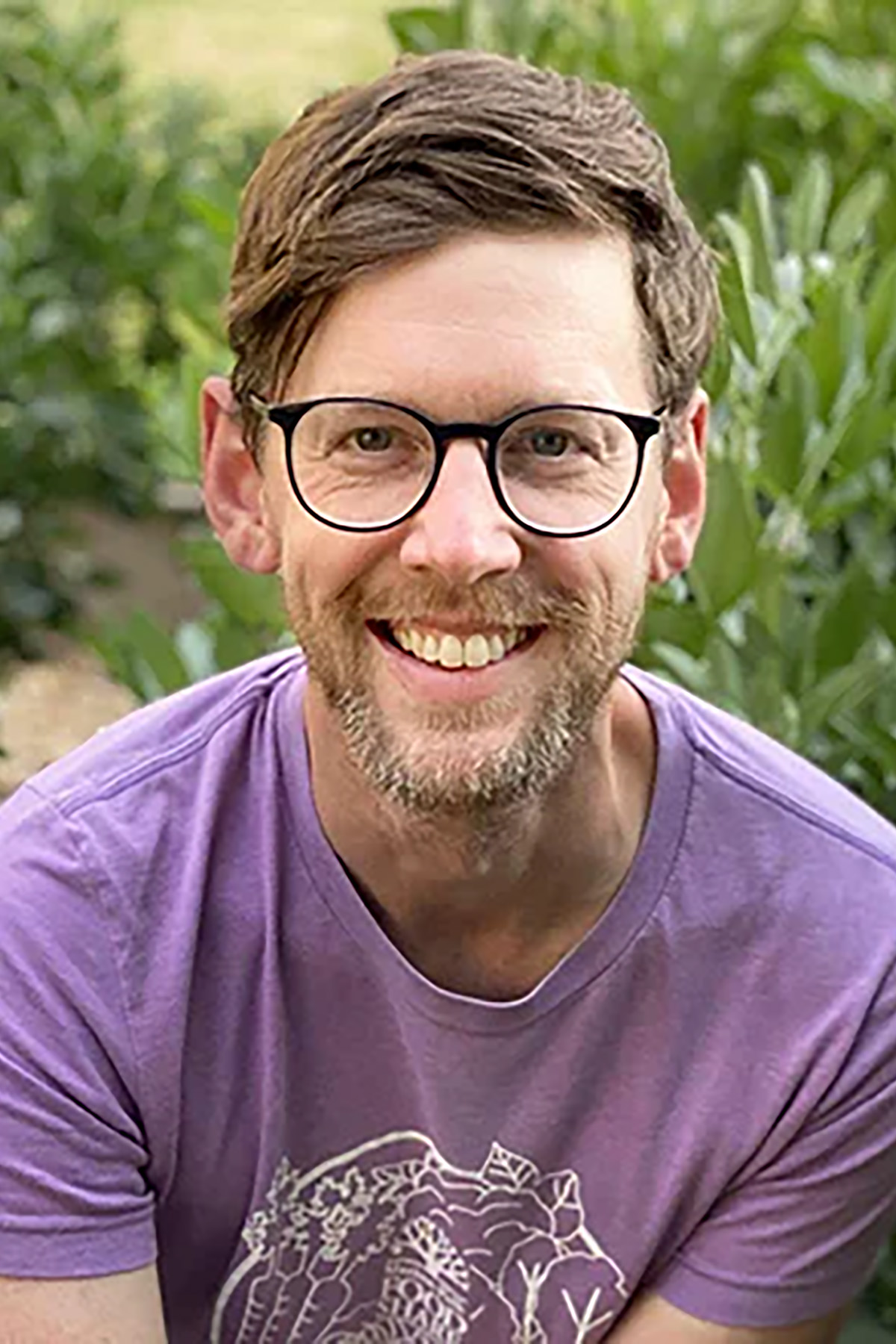
Jared Hibbard-Swanson, PhD, Food Security and Safety Program Manager, Oregon State University Extension
Preserving Food Traditions: Intergenerational food education in OSU’s Master Food Preserver Program
Master Food Preservers are certified volunteers with OSU Extension who provide research-based advice and training to communities across the state regarding food storage and preservation. MFPs build resilience in local food systems by providing individuals with the tools they need to take advantage of seasonal surpluses, store food for emergencies, and safely preserve traditional foods. The majority of MFP volunteers are past retirement age, and the MFP program creates opportunities for intergenerational food education by connecting older adult volunteers with younger gardeners, cooks, and preservers. This session explores how this form of food-centered volunteering can foster social connections and a sense of purpose for older volunteers while simultaneously supporting food security.
Biography
Jared Hibbard-Swanson is the statewide program manager for food security and safety programming with Oregon State University Extension Service, where he supports communities across Oregon to harvest, preserve, and share healthy, safe, and culturally important foods. Jared oversees OSU’s Master Food Preserver volunteer program, which provides food safety and preservation education across the state. He also leads strategic partnerships that support resilience in the food system, including work with local libraries, farmers markets, and cultural organizations. His experience in local food systems also includes past work in youth garden education, community gardening, agricultural leadership, and prescription produce programming. Jared serves as an advisor to the Center for Food Conservation and Waste Reduction, the Oregon Health Authority’s Retail Food Service Advisory Committee, and as an active member of the Western States Food Preservation Work Group. He holds a PhD in philosophy from Pennsylvania State University.
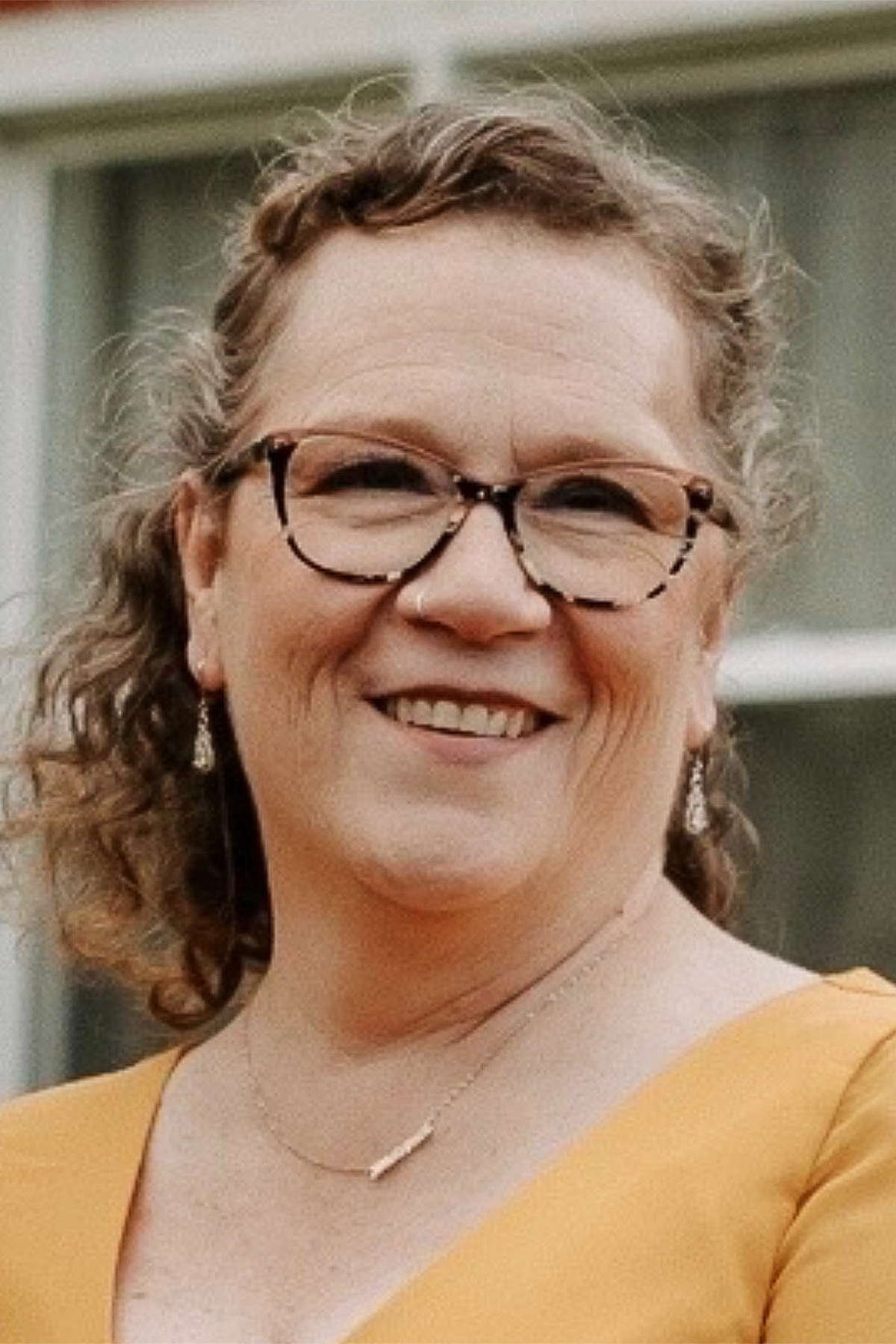
Kristina Kansteiner, CHW, Connected Care Community Health Worker, Columbia Memorial Hospital
Community Health Workers Improving Primary Care for Older Adults in Rural Oregon
Connected Care for Older Adults is an innovative program that uses Community Health Workers in Primary Care settings to improve care for frail older adults in rural areas. When a patient enrolls in Connected Care, a CHW visits them at home and implements the Connected Care Protocols based on the 4Ms of Age-Friendly Health Systems – What Matters, Medication, Mobility, and Mentation. CHWs help patients identify health related goals, provide information and education, system navigation, patient advocacy, and connect patients with resources in the community.
This session will provide quantitative data and anecdotal findings about the power of this model to improve primary care services and outcomes for at-risk older adult patients in rural areas. Rural clinics interested in implementing Connected Care will learn about opportunities to participate in the statewide expansion of this exciting program.
Biography
Kristina is an Older Adult Community Health Worker (CHW) at Columbia Memorial Hospital in Astoria, OR and is currently obtaining a Master’s degree in Gerontology from LSU. She worked for over 10 years as a mental health case manager, and has extensive experience in program design, case management, housing assistance, and substance use treatment. Kristina is the first CHW at Columbia Memorial and has grown the Connected Care program there to serve over 60 patients in the past 2 years. She was awarded two $10,000 dollar grants meant to focus on improving her patients’ lives outside of the clinic. She set up the 1st annual Aging Well Health Fair in 2025 and started a volunteer program for high school students working with older adults called Seniors for Seniors. Kristina is very passionate about Social Gerontology and helping to educate her community on ageism.
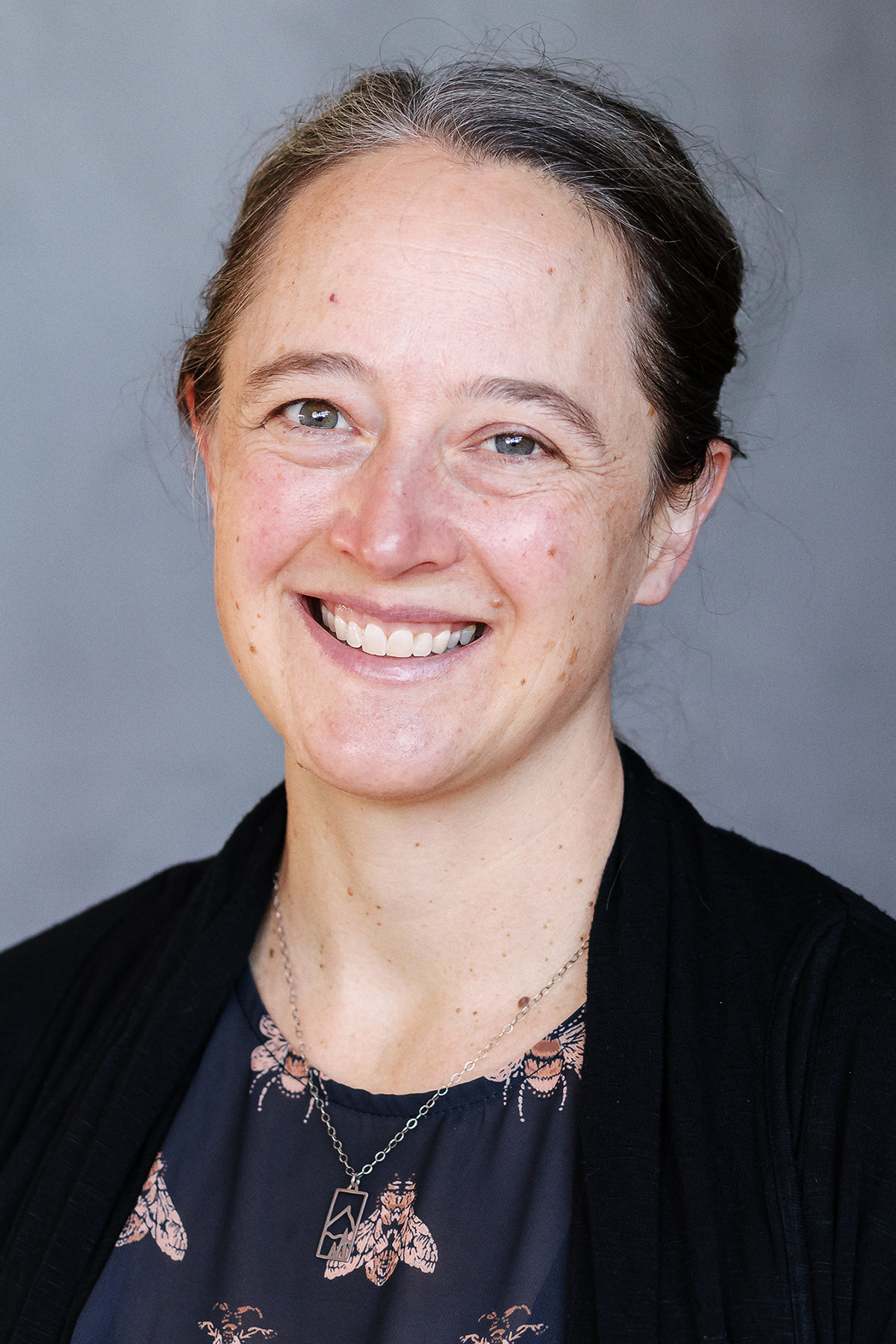
Lindsay Miller, MBA, Program Director, Connected Care for Older Adults
Community Health Workers Improving Primary Care for Older Adults in Rural Oregon
Connected Care for Older Adults is an innovative program that uses Community Health Workers in Primary Care settings to improve care for frail older adults in rural areas. When a patient enrolls in Connected Care, a CHW visits them at home and implements the Connected Care Protocols based on the 4Ms of Age-Friendly Health Systems – What Matters, Medication, Mobility, and Mentation. CHWs help patients identify health related goals, provide information and education, system navigation, patient advocacy, and connect patients with resources in the community.
This session will provide quantitative data and anecdotal findings about the power of this model to improve primary care services and outcomes for at-risk older adult patients in rural areas. Rural clinics interested in implementing Connected Care will learn about opportunities to participate in the statewide expansion of this exciting program.
Biography
Lindsay Miller is an independent strategy and organizational development consultant and serves as the Program Director for the Connected Care for Older Adults Pilot at the Columbia Gorge Health Council. Lindsay has supported the project since 2017, when she facilitated a year-long community-engaged feasibility and planning process to explore the needs of older adult patients and providers in the region. She convened a 12-member multidisciplinary team to develop the Connected Care Protocols, and now supports the statewide implementation of Connected Care in rural clinics across Oregon. Lindsay is experienced in strategic and business planning for nonprofits and multi-stakeholder collaborative design and facilitation. She holds BS and BA degrees from the University of Oregon’s Clark Honors College and an MBA with distinction from Oxford University where she attended as a Skoll Scholar in Social Entrepreneurship.
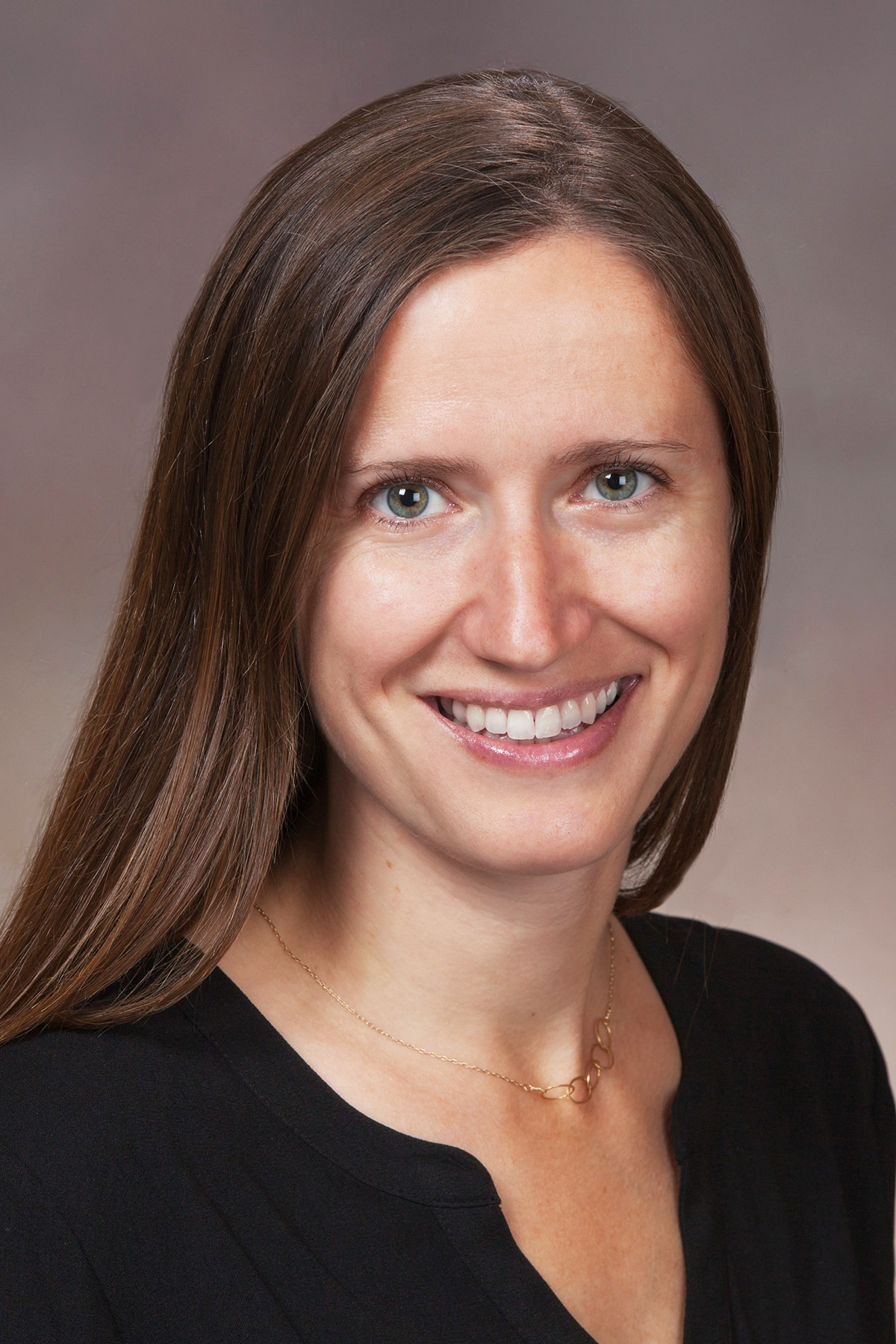
Emily Morgan, MD, OHSU Internal Medicine Post-Acute and Long-term Care (PALTC), Medical Director of Mirabella Portland PALTC
Implementing the Age-Friendly Framework in Long-Term Care
As our population ages, our healthcare systems are increasingly tasked with meeting the specific needs of the older adult population. Developed by the Institute for Healthcare Improvement and the American Hospital Association, Age-Friendly Health System Certification began as a framework to support hospitals in adapting to this growing need, with the goal of using evidence-based practices while respecting the humanity and individuality of older adults. This work has now spread to include outpatient clinics and skilled nursing facilities. This presentation outlines the journey to becoming Age Friendly in the long-term care environment and offers practical strategies to make effective change.
Biography
Emily Morgan, MD is a graduate of Oregon Health and Science University Medical School, where she stayed on to complete her internal medicine residency, followed by a fellowship in geriatrics. She is currently an Associate Professor of Internal Medicine and Geriatrics at OHSU where she has a geriatric primary care practice. In addition to her outpatient work, she is the head of the OHSU Internal Medicine Post-Acute and Long-term Care (PALTC) team and is Medical Director of Mirabella Portland PALTC. Her research focus is on improving geriatrics care in primary care and PALTC settings.
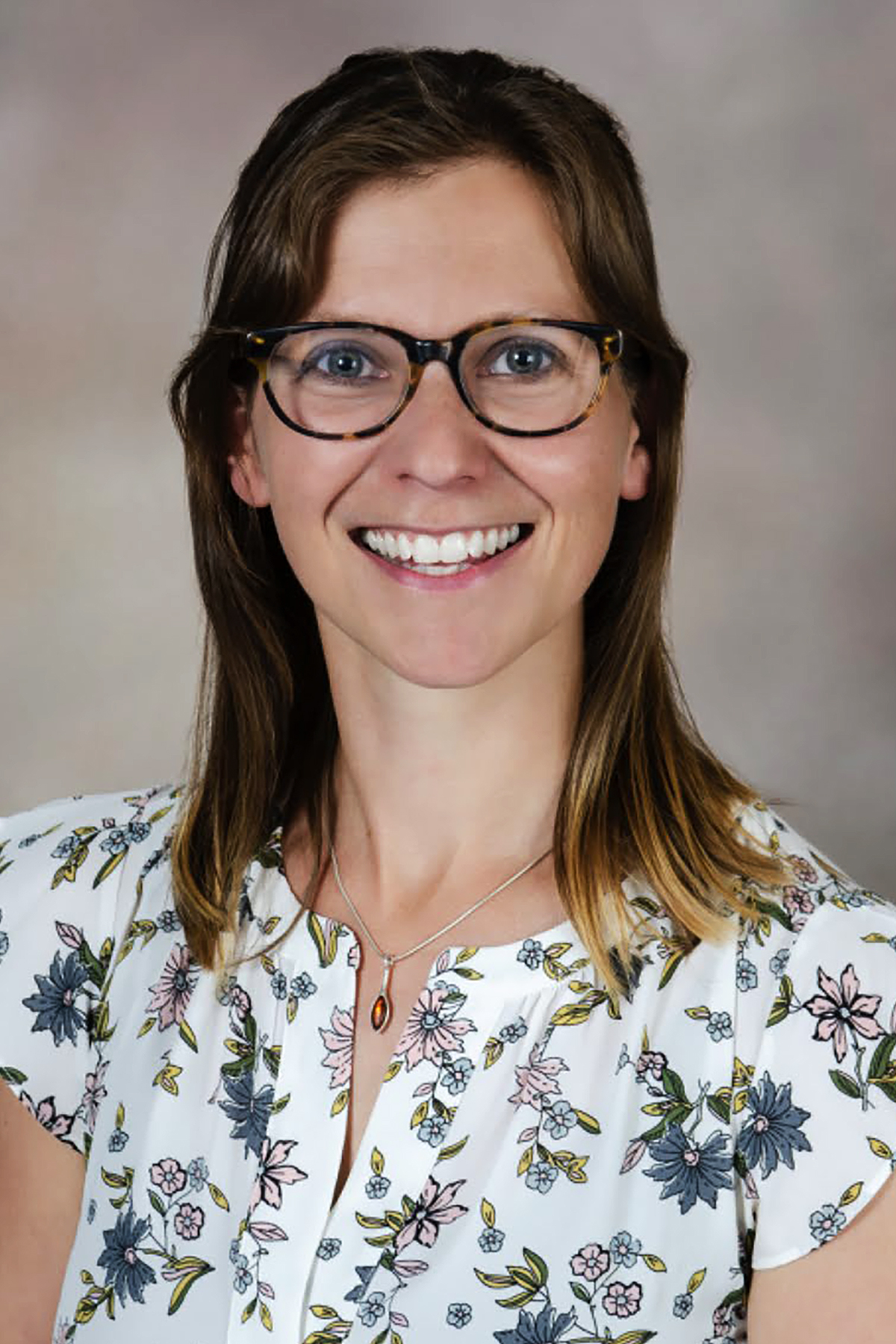
Suvi Neukam, DO, FACP, CPAFH, Associate Program Director for the OHSU/VA Geriatric Medicine Fellowship
Simplifying Complex Care: The Patient Priorities Care Model
Patient Priorities Care (PPC) is a person-centered care model that aligns clinical decisions with what matters most to older adults with multiple chronic conditions. This session will define the PPC framework, review its evidence base, and describe benefits for both patients—such as reduced treatment burden and improved goal-concordant care—and providers.
Participants will learn the key components of a Patient-Priorities–Aligned exploratory conversation and practical approaches to documenting care planning discussions to support continuity and interdisciplinary communication. The session will include case examples, discussion, and time for participant questions to promote real-world application.
Biography
Suvi Neukam, DO, FACP, CPAFH is a dual Finnish-American citizen originally from New England where she grew up in New Hampshire and then studied molecular biology-biochemistry and philosophy at Middlebury College in Vermont. Before attending medical school in Maine, Dr Neukam worked at a health care best practice research firm in Washington, DC. During medical school she completed a year-long medical teaching fellowship and engaged in geriatric research at the University of California San Diego. She completed her internal medicine residency, chief residency and geriatric fellowship at Oregon Health and Science University and is now a geriatric medicine doctor who sees primary care patients within the OHSU internal medicine clinic. She also leads the ambulatory geriatrics consultative service where she is joined by medical residents. In clinical and classroom settings she has the opportunity to teach medical students, residents and fellows. She additionally serves as the Associate Program Director for the OHSU/VA Geriatric Medicine Fellowship. She has special interests in care for patients with Parkinson’s, geriatric education and care planning conversations.
When she is not with patients, Dr Neukam enjoys spending time with her family, riding her bicycle, amateur piano playing, baking, writing snail mail and using her children as an excuse to become an expert in arts and crafts.
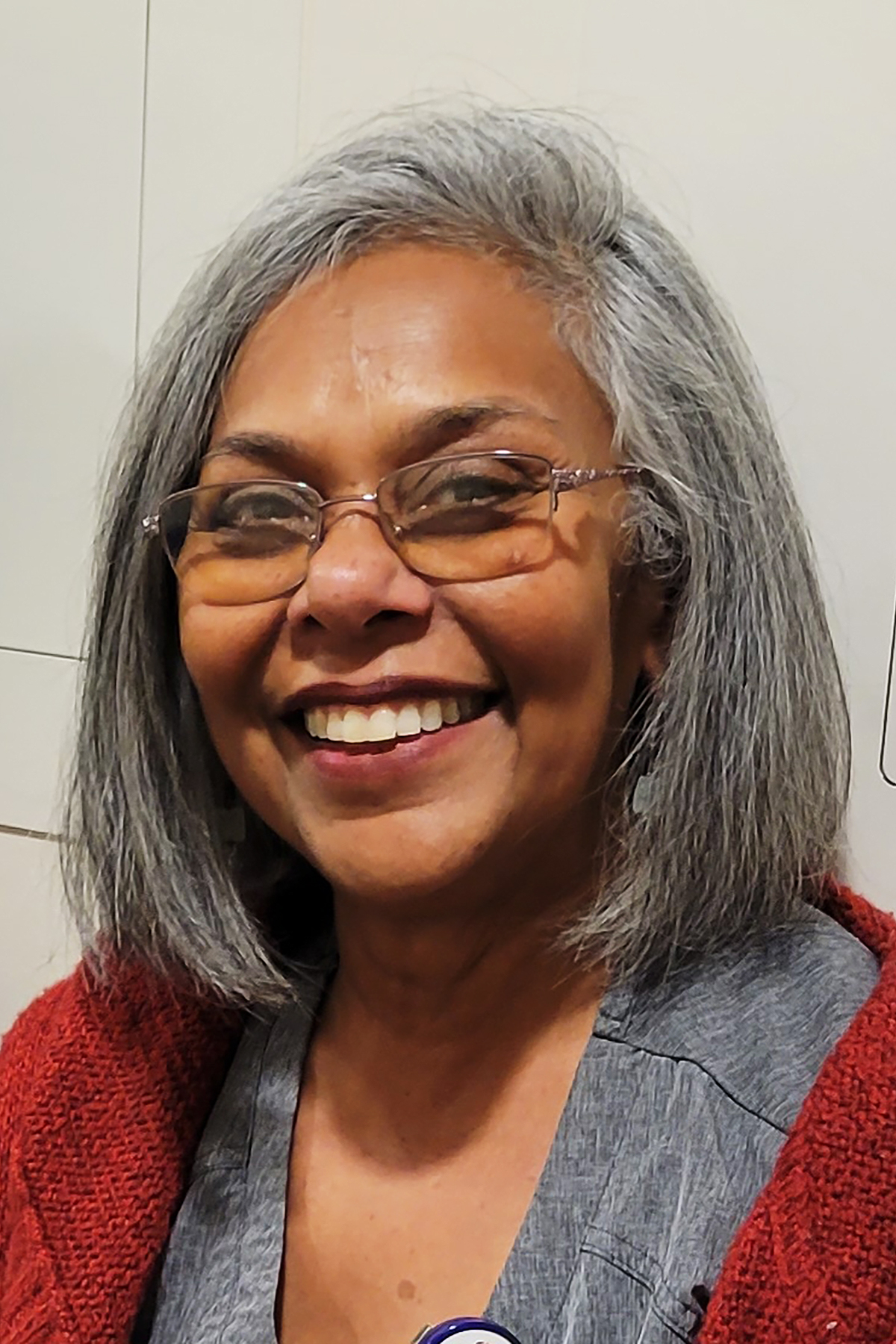
Sharna Prasad, PT, Physical Therapist at Samaritan Lebanon Community Hospital
Persistent Pain Mastery Through Lifestyle Medicine and Acceptance and Commitment Therapy (ACT)
Persistent pain is highly prevalent among older adults and represents a complex, multifactorial experience shaped by biological, psychological, social, and lifestyle influences. Traditional biomedical approaches alone often fail to address the full burden of persistent pain, highlighting the need for integrative, person-centered models that support function, vitality, and quality of life across the lifespan.
This three-hour experiential and interactive session introduces a comprehensive framework for understanding and addressing persistent pain through the integration of Lifestyle Medicine and Acceptance and Commitment Therapy (ACT). Participants will begin by exploring contemporary definitions of pain and acknowledging the diverse contributors that influence the pain experience, including social determinants of health. The session will introduce the “Titanic Model,” a metaphor that emphasizes the necessity of self-care and sustainability for both patients and healthcare providers before effectively supporting others.
Attendees will then examine the six pillars of Lifestyle Medicine-nutrition, physical activity, sleep, stress management, social connection, and substance use reduction-and their role in shifting individuals from persistent pain toward improved vitality and meaningful engagement in daily life. The final portion of the session focuses on practical skill-building grounded in ACT principles, aimed at addressing long-standing patterns of thoughts, emotions, and behaviors associated with persistent pain, while supporting values-based living.
This presentation is designed to be accessible, interactive, and applicable to gerontology professionals across clinical, community, and academic settings. Participants will leave with practical skills and a broader perspective on how integrative, trauma-informed approaches can enhance persistent pain care and promote healthy aging.
Biography
Dr. Sharna Prasad is a licensed physical therapist in Oregon, educator, public health professional, and professional speaker. Her work sits at the intersection of healthcare delivery, systems thinking, and population health, with a particular focus on transforming care for individuals living with complex chronic pain.
Dr. Prasad practices part-time as an outpatient physical therapist at Samaritan Lebanon Community Hospital, where she works exclusively with patients experiencing complex, persistent pain in a rural healthcare setting. She holds a diploma in Lifestyle Medicine and is a Therapeutic Pain Specialist, with extensive training in Acceptance and Commitment Therapy (ACT). Her clinical approach is trauma-informed, patient-centered, and grounded in contemporary pain science.
She is currently involved in leading Shared Medical Appointments in collaboration with a rheumatologist for patients with rheumatoid arthritis, utilizing the Easy2Care curriculum developed by her interdisciplinary team. This curriculum is embedded in Lifestyle Medicine principles, addresses social determinants of health, and is delivered at a sixth-grade health literacy level to ensure accessibility and equity. In parallel, Dr. Prasad is actively expanding and evaluating this model within her community, partnering with physicians interested in treating pain through Lifestyle Medicine within shared medical appointment settings.
In addition to her professional expertise, Dr. Prasad brings lived experience with chronic pain, providing her with deep empathy and insight into the realities faced by patients navigating long-term pain. Outside of work, she is an avid gardener, mosaic artist, and proudly refers to herself as a “Painiac,” reflecting her passion for reimagining pain care through compassion, connection, and evidence-based innovation.
Lori Stanton, MA, Program Director and DEI Pillar Lead, Alzheimer's Association Oregon and SW Washington Chapter
Best Practices in Dementia Care
Every individual experiences dementia differently-how we interact with them must also be individualized. In this session, we will talk about the fundamentals of Person Centered Care, assessment and care planning, and dementia behaviors and communication.
Biography
Lori Stanton is the Program Director and DEI pillar lead for the Alzheimer’s Association Oregon and SW Washington Chapter. Lori earned a duel Master of Arts degree in Social Gerontology and Advocacy from Alaska Pacific University. She is an Eden Associate, and currently serves on the board for LABRYS Society as President. Lori has worked in the field for the past 25 years, and assisted The Salvation Army Serendipity Adult Day Services in becoming the first Adult Day in the Nation to receive the Excellence in Care, Dementia Program of Distinction award from the Alzheimer’s Foundation of America. Lori has worked for the Alzheimer’s Association for the past 10 years and currently resides with her lovely family in the beautiful and scenic Grants Pass.
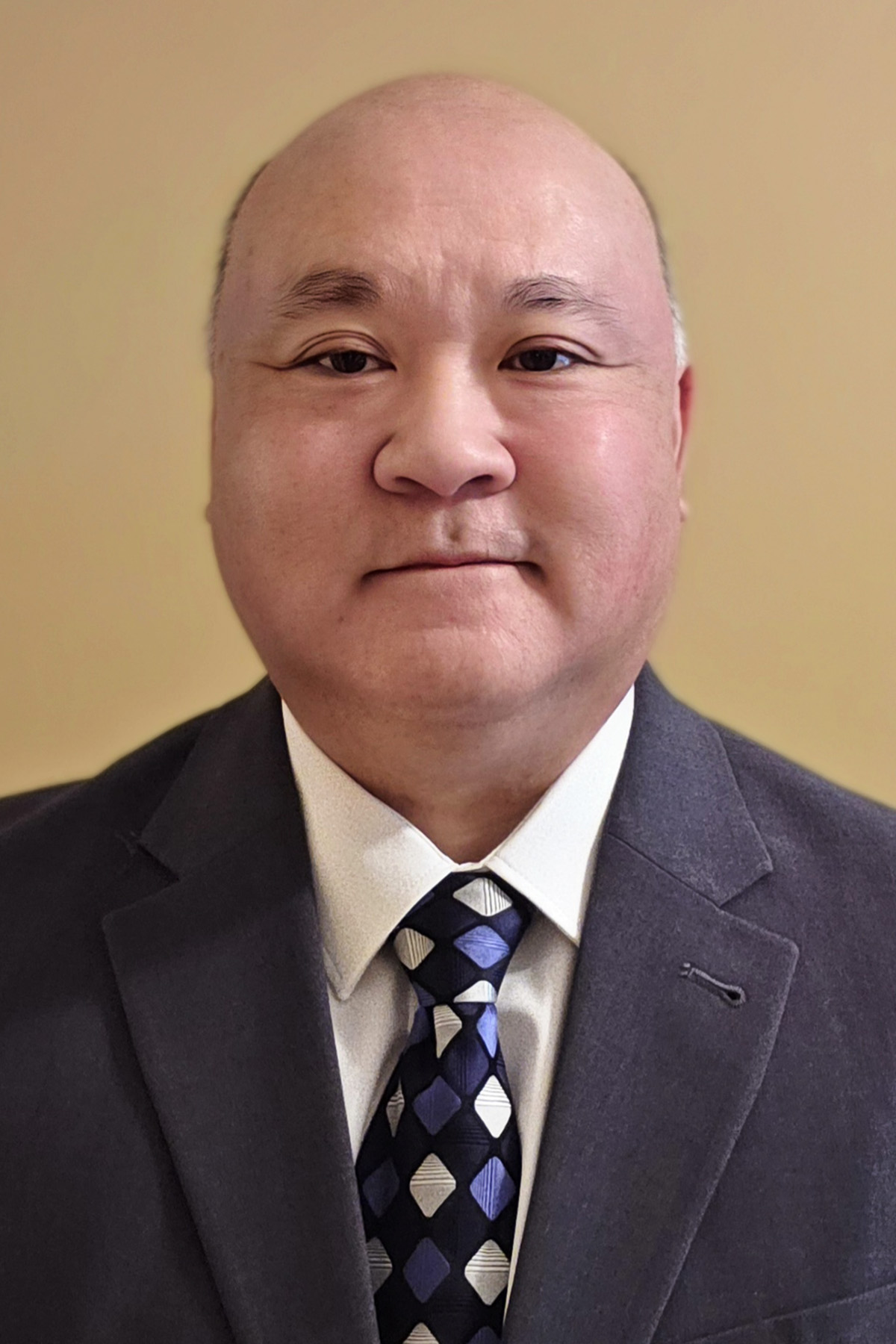
Mark Tsujimura, MA, Operations and Policy Analyst, Adult Protective Services
Oregon Adult Protective Services (APS)
In 2025, Oregon Adult Protective Services (APS) received 59,452 reports with concerns about possible abuse of older adults or adults with physical disabilities. Increasing from 2024 by almost 4,000 more reports. Although not all reports are screened in for investigation, data shows that abuse of Oregon’s older adults and adults with physical disabilities is pervasive.
In this highly interactive session, we will discuss how APS responds to reports of abuse in both licensed long term care facilities and the community at large, provide an overview of the APS investigative process, describe how APS offers protective services and referrals, and provide information on when and how anyone can (and should) report suspected or witnessed abuse. Participants will learn how a report gets assigned for investigation, why some reports are screened out and not investigated, and what types of abuse are most prevalent. We’ll also discuss misperceptions and confusion about what APS can and can’t do when serving Oregon’s vulnerable populations and offer opportunities for participants to share feedback about how APS can best collaborate with and serve various communities throughout the state.
Biography
Mark Tsujimura has worked for the Office of Aging and People with Disabilities (APD) within the Oregon Department of Human Services (ODHS) for over 19 years. He currently serves as an Operations and Policy Analyst for Central Office Adult Protective Services Community Unit. Formerly, he served with the Safety, Oversight, and Quality (Long-Term Care Licensing) Unit as a trainer and surveyor with the Nursing Facilities Survey Unit and as a surveyor with the Community Based Care Unit. Prior to that, he served with Child Protective Services. Mark has a MA in Psychology.
Robert G. Winningham, PhD, Professor of Psychological Sciences and Gerontology, Western Oregon University
Loneliness and Social Isolation: Evidence Based Findings and Wellness-Based Programming Ideas
In this presentation, we will explore social wellness and how it can be used to stave off the negative impacts of loneliness and social isolation. We will look at how loneliness and social isolation is increasing in the United States as well as the effects of loneliness, isolation, perceived social support, and instrumental social support on mental and physical health outcomes. Did you know that recent research suggests that loneliness may be more dangerous than smoking 15 cigarettes per day? We will discuss how to assess (and reassess) residents’ psychosocial needs in an effort to be responsive to each resident’s unique needs and situation. After discussing some of the foundation research and issues, we will spend the rest of the time exploring practical interventions and programs that can improve social engagement, wellness and quality of life.
Biography
Dr. Rob Winningham received his Ph.D. in neuroscience from Baylor University. He joined the faculty at Western Oregon University in 2000 where he serves as a Professor of both the Psychological Sciences and Gerontology Departments. He helped create the Gerontology Department approximately 15 years ago. And, he has served as College Dean, Provost and Vice President for Academic Affairs at Western Oregon University. His scholarship and publications have generally focused on maximizing quality of life, cognitive stimulation, physical exercise, intergenerational programs, and social engagement throughout the lifespan. In addition to publishing many peer-reviewed scientific articles, Dr. Winningham has been invited to give over 2000 presentations at various conferences, workshops and community settings. He has helped develop a number of popular products for senior living and healthcare, including LinkedSenior, SMARTfit, and Activity Connection. His book, Train Your Brain: How to Maximize Memory Ability in Older Adulthood was published by Routledge Publishing and his latest book is entitled Cranium Crunches, both of which can be found on Amazon.